
Container Fullness Measuring Systems
TrashMinder Container Fullness Measuring System
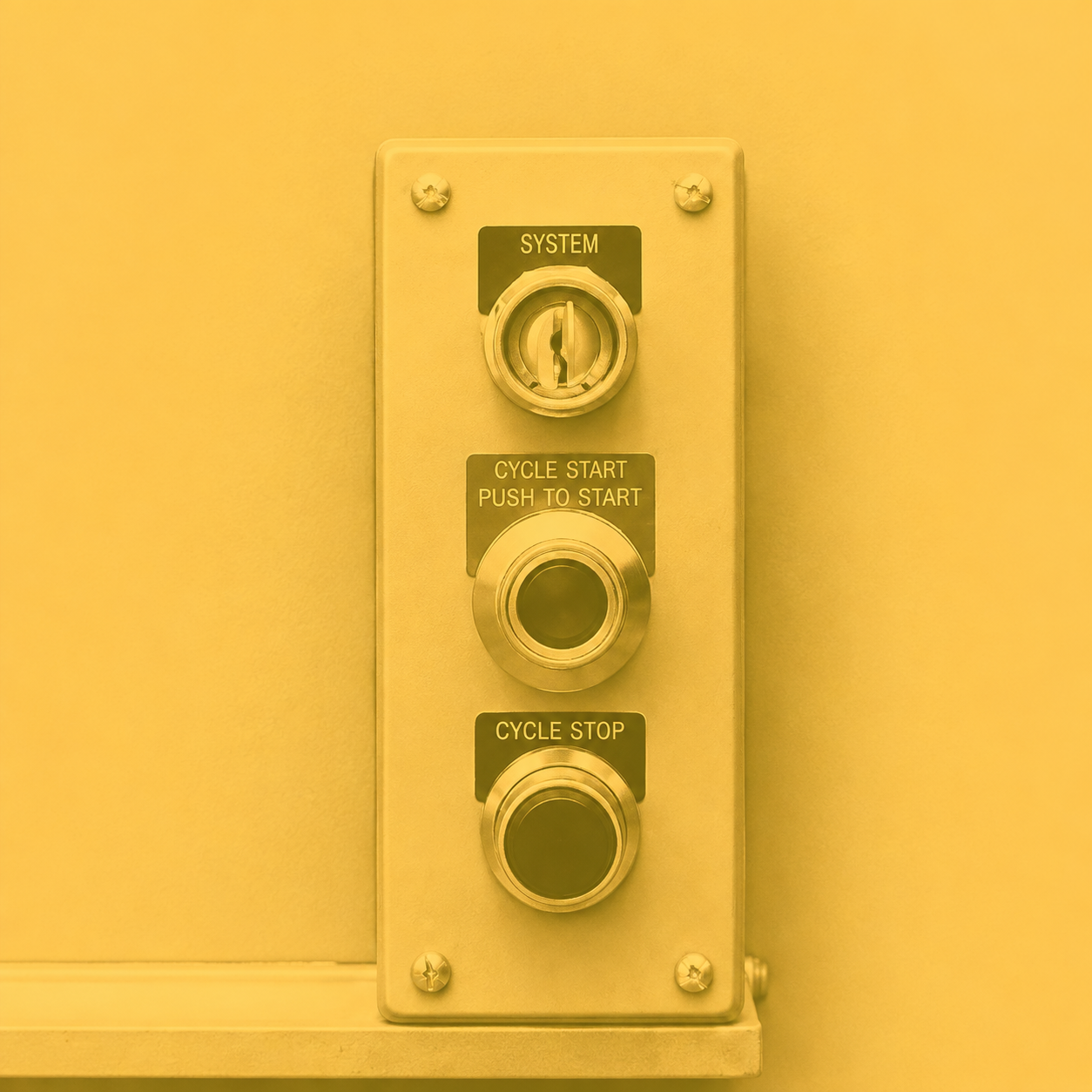
Full Container Light:
The Full Container Light is a key safety and operational feature designed to notify users when the compactor has reached its maximum capacity. This light is triggered automatically when the compactor achieves its preset shutdown pressure—indicating that the container is full and should not be further compacted. At this point, the system’s hydraulic mechanism is disabled to prevent overloading, which could lead to equipment damage or hazardous conditions. Once the shutdown pressure is reached, the compactor halts all operations, and the Full Container Light—conveniently located within the remote push button control station—illuminates to signal that service is needed.
To restore the compactor to normal operating mode, the container must first be emptied and securely repositioned. After the waste has been removed, the operator must manually press the lens cover on the remote control station. This action resets the Full Container Light circuit, effectively clearing the full container status and enabling the compactor to resume normal function. This two-step process not only reinforces safety by preventing over-compaction but also ensures that the equipment operates efficiently, reducing downtime and prolonging the lifespan of the compactor.
Advanced Warning Light
The Full Container Light serves as a vital indicator in the operation of the compactor system, alerting the user when the container has reached its designed shutdown pressure. This pressure threshold signifies that the container is at or near maximum capacity and should be emptied to ensure safe and efficient operation. Once the shutdown pressure is achieved, the compactor will automatically cease all compaction activity to prevent overfilling or potential equipment damage. Simultaneously, the Full Container Light—integrated into the remote push-button control station—will illuminate to notify the operator that the unit is full and requires attention.
This light acts as a safeguard, ensuring the system is not inadvertently operated under unsafe or overloaded conditions. To restore the compactor to normal working status, the filled container must be emptied properly. After the container has been cleared and securely repositioned, the operator must depress the lens cover on the push-button station. This action manually resets and deactivates the Full Container Light circuit, signaling to the system that it is safe to resume standard compaction operations. This reset process ensures that the compactor does not resume cycling prematurely and reinforces safe operational practices.
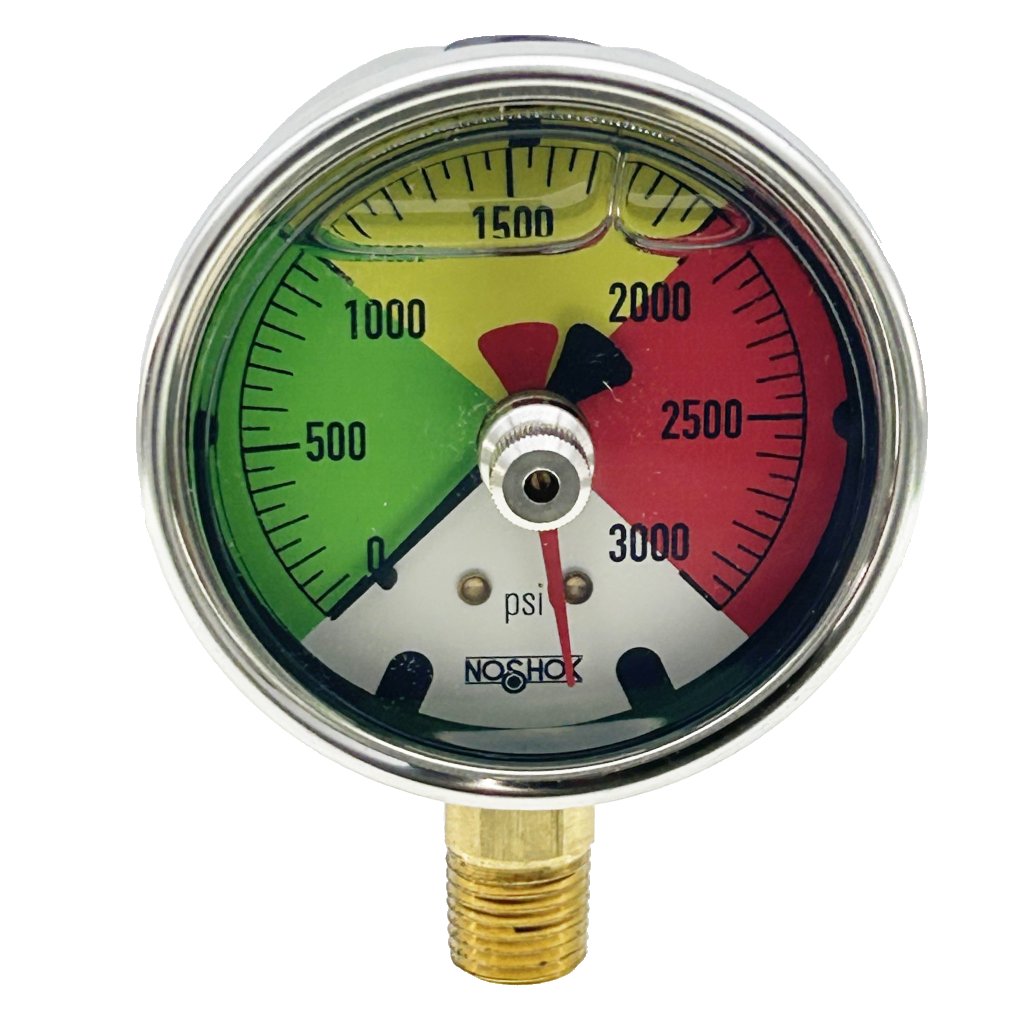
Dual Needle and Color Coded Pressure Gauges
The Pressure Gauge is a fluid-filled, high-visibility instrument engineered to provide accurate and consistent monitoring of the compactor’s hydraulic system pressure. It includes 15 feet of heavy-duty hydraulic hose, offering flexibility in installation. This allows the gauge to be mounted close to the packer’s push-button control station for convenient access, or on the power pack itself if a remote setup is in use. The gauge plays a critical role in displaying the system’s pressure levels, which gradually increase as the container fills. By observing these pressure changes, operators can determine when the compactor is nearing its “packed out” state, helping to maximize load efficiency while avoiding unnecessary compaction cycles.
Single Color and Single Needle Pressure Gauges
The Pressure Gauge is a fluid-filled, high-visibility instrument engineered to provide accurate and consistent monitoring of the compactor’s hydraulic system pressure. It includes 15 feet of heavy-duty hydraulic hose, offering flexibility in installation. This allows the gauge to be mounted close to the packer’s push-button control station for convenient access, or on the power pack itself if a remote setup is in use. The gauge plays a critical role in displaying the system’s pressure levels, which gradually increase as the container fills. By observing these pressure changes, operators can determine when the compactor is nearing its “packed out” state, helping to maximize load efficiency while avoiding unnecessary compaction cycles.
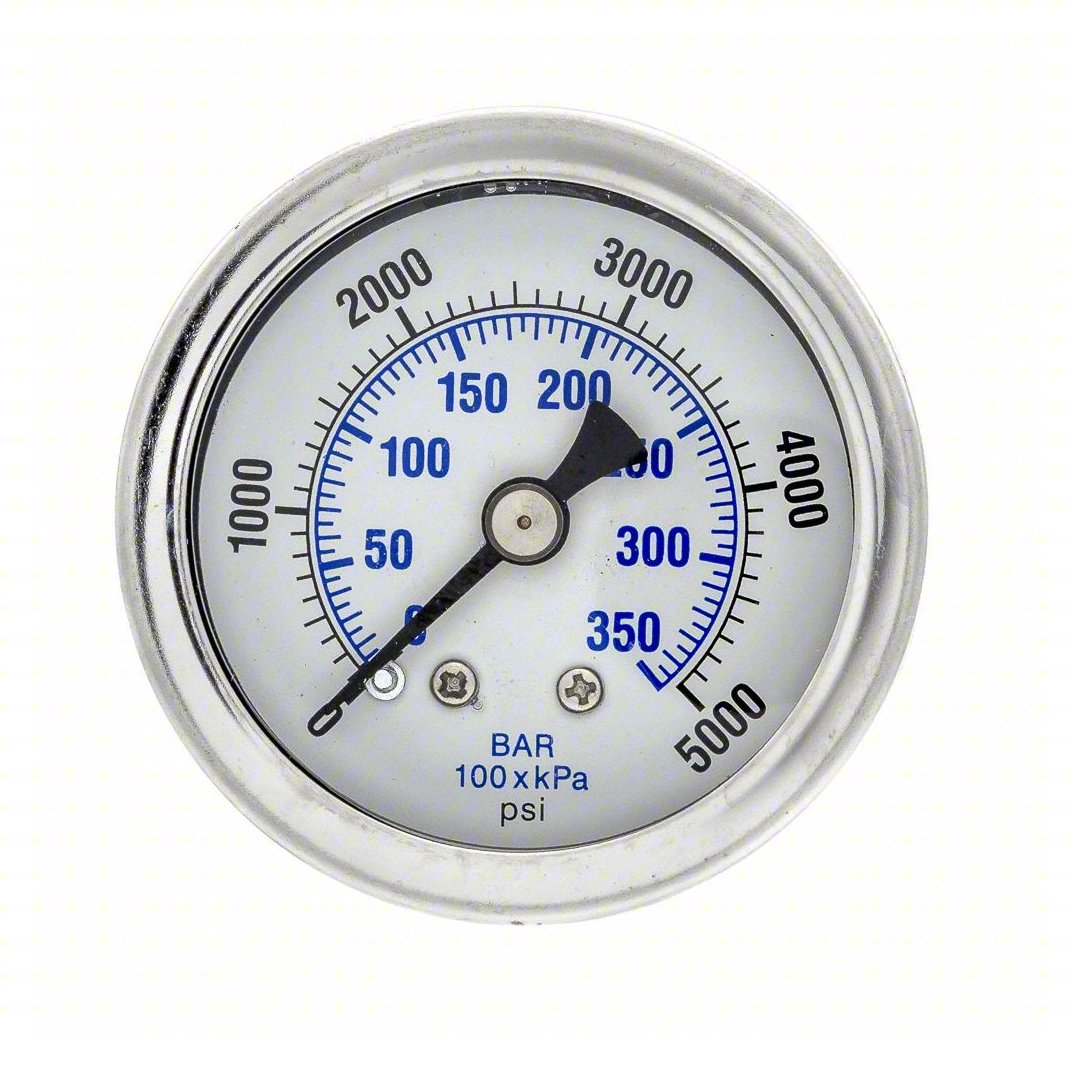
For enhanced operational clarity, an optional Dual Needle Pressure Gauge is available. This upgraded version features two distinct needles, making it easier for operators to track and compare pressure readings at a glance. This is particularly beneficial in high-demand environments where quick assessments are required for safety and efficiency. Both versions of the gauge are designed to perform reliably under tough industrial conditions, providing accurate feedback and contributing to smoother, more informed waste handling operations.
Why Choose Us
Decades of Experience
Mark Costello has been a trusted name in waste management for decades, delivering reliable and effective solutions that businesses count on.
Cutting-Edge Technology
Using the latest technology, We ensures that waste management systems are efficient and up to industry standards, from food digesters to compactors.
Customized Solutions
At Mark Costello,we provides tailored waste management solutions that fit each business’s unique needs, ensuring a smooth integration into existing operations.
Focused on Sustainability
Mark Costello is dedicated to helping businesses achieve their sustainability goals by turning waste into valuable resources, supporting a greener future.
Frequently Asked Questions
Here are answers to some of the most common questions we receive about waste management solutions and services provided by The Mark-Costello Co.
What is a Container Fullness Measuring System and how does it work?
A Container Fullness Measuring System is designed to monitor how full a waste compactor or container is by tracking pressure or ram force during compaction. These systems use sensors and advanced processing to analyze compactor behavior and determine when a container is approaching full capacity. For example, Mark-Costello’s TrashMinder® system uses hydraulic pressure data to trigger alerts when the container reaches a predetermined fullness level. This allows facility managers to schedule pickups more efficiently and avoid unnecessary hauls of partially filled containers.
What are the different TrashMinder® models, and how do they function?
Mark-Costello offers several models of TrashMinder®, each tailored for different communication preferences and facility needs. The 100P model sends a fullness alert via pager, while the 110F uses a fax machine to notify staff when the container is full. The 150MS model connects to a computer for direct notification, and the 300 model goes a step further by monitoring both container fullness and compactor usage, relaying this data to a PC. Additionally, models like the 200S and 250MS are designed to track user access and can integrate with billing systems for tenant-based usage management.
Can these systems restrict or manage who uses the compactor?
Yes, some of these systems are equipped with usage monitoring and access control features. This is especially useful in shared facilities, such as apartment complexes or commercial buildings. Certain TrashMinder® models and the Keymaster Meter System can restrict access by requiring an ID number, magnetic card, or digital key. This not only helps prevent unauthorized use but also enables facility managers to assign accountability and charge specific users or tenants based on actual compactor usage. It’s a practical solution for keeping operational costs fair and transparent.
How many compactors can one TrashMinder® system monitor?
One of the advantages of the TrashMinder® system is its scalability. A single system can monitor up to 4,000 compactors from a central computer. This makes it ideal for large facilities, waste management companies, or property managers overseeing multiple locations. With this level of capacity, managers can maintain control over their waste handling operations and receive consistent data across multiple units without needing separate systems for each compactor.
What other fullness indicators are available besides TrashMinder®?
Mark-Costello also offers a variety of alternative fullness monitoring solutions for facilities that may not need the full features of the TrashMinder®. Options include the Trash Manager, which uses a four-light system to indicate fullness levels at 70%, 80%, 90%, and 100% by reading hydraulic pressure. There’s also the Full Container Light, which turns on when the system reaches shutdown pressure, and the Advanced Warning Light, which provides a visual alert before the container is completely full. For simpler needs, fluid-filled pressure gauges—including dual-needle options—allow staff to visually check pressure levels manually.
How do these systems help reduce costs and improve efficiency?
Using a container fullness measuring system can lead to significant cost savings by reducing unnecessary pickups of partially filled containers. These systems ensure that haulers are only dispatched when containers are genuinely near capacity. That means fewer pickup fees and better resource allocation. Furthermore, with detailed logs of fullness and usage data, managers can verify hauler billing accuracy and identify opportunities to optimize compactor usage. Over time, this technology not only saves money but also contributes to better planning and more sustainable waste management practices.