
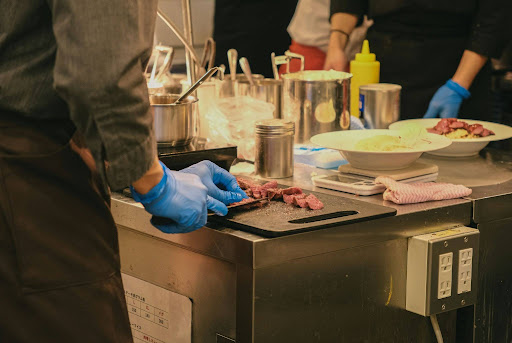
Ask any kitchen manager which waste stream causes the most headaches, and food scraps will top the list almost every time. They’re heavy, wet, and smelly. They leak through bags, attract pests, and fill bins faster than any other material in the building. They also cost a surprising amount of money to move. Commercial food waste digesters give hotels, restaurants, and commercial kitchens a different option. Instead of storing food scraps and paying someone to haul them away, a digester breaks them down right where they’re created.
This guide looks at the real cost of food waste in a commercial kitchen, how a digester works, where the savings come from, and how to choose and install the right unit for your operation.
The Real Cost of Food Waste in a Commercial Kitchen
Most operators see food waste costs on their hauling invoice, but that number only captures part of the expense.
Frequent Pickups and Haul Fees
Food scraps weigh far more than dry trash, and they can’t sit around for long. Bins fill quickly and start to smell within a day or two, especially in warm weather. Many kitchens need several organic waste pickups every week to keep up, and each pickup adds to the bill. Large hotels and busy restaurants often need extra containers too, which raises rental fees and takes up valuable space on the loading dock.
Odors, Pests, and Cleaning
Food waste attracts rodents, flies, cockroaches, and birds. Outdoor bins full of scraps can draw pests that eventually find their way indoors, which puts food safety and health inspections at risk. Leaking bags and bins also stain pavement and create slip hazards. Kitchens end up paying for more frequent pest control visits, more bin washing, and more time spent cleaning the waste area.
Staff Time and Heavy Lifting
Someone has to carry food waste out of the kitchen. Wet bags often weigh 30 pounds or more, and staff may make dozens of trips across a shift. Every trip pulls an employee away from prep, service, or cleaning. In large hotels with multiple restaurants, banquet kitchens, and room service, food waste can travel long distances before it reaches the dock. That labor cost rarely appears on a waste invoice, but managers feel it in overtime and productivity.
How a Food Waste Digester Works
A food waste digester processes food scraps on site using biological breakdown instead of hauling them away. The process is simpler than many operators expect.
From Scraps to Liquid
Units such as the Eco-Safe Digester use a refined formula of microorganisms to break down organic waste. Staff load food scraps into the chamber through a hatch throughout the day. The system adds water and gently mixes the contents while the microorganisms go to work. Within roughly 24 hours, the food waste breaks down into liquid that drains into the building’s wastewater system. No bins sit outside, and no scraps wait for a truck.
Capacity and Daily Processing Range
Digesters come in different sizes to match different kitchens. The Eco-Safe Digester line includes models rated for about 400, 800, and 1,200 pounds of food waste per day. A busy restaurant might need a smaller unit, while a large hotel, hospital, or university dining operation might need the largest model or more than one machine. Because staff load waste continuously, the unit processes scraps steadily across the day rather than in one large batch.
What Can and Cannot Go Into the Unit
Digesters handle most common kitchen scraps, including meat, poultry, fish, fruit, vegetables, rice, and pasta. Some materials don’t belong in the unit. Large bones, shells, heavy fats and grease, packaging, utensils, and non-food items can slow the process or damage the equipment. Clear labeling and short staff training sessions keep the wrong materials out and help the machine run reliably.
Where the Savings Come From
The savings from commercial food waste digesters come from several directions at once, which helps explain why many operators see a strong return on their investment.
Fewer Pickups and Smaller Containers
When a digester processes food scraps on site, far less organic material leaves the building. Kitchens can often reduce the number of organic waste pickups, shrink their container sizes, or consolidate bins. Because haulers usually charge by container size and frequency, those changes lower the monthly bill directly. Food scraps also make trash heavier and messier, so removing them can reduce general trash volume and service needs too.
Less Labor Handling Waste
Loading scraps into a nearby digester takes far less time than carrying heavy bags to an outdoor dumpster. Staff stay in the kitchen, focus on food prep and service, and avoid the strain of lifting wet bags. Over a year, those saved minutes add up to meaningful labor savings, especially in kitchens that run multiple shifts. For operations that still move other waste outdoors, hydraulic waste cart dumpers can remove the heavy lifting from that remaining work.
Cleaner Facilities and Fewer Pest Problems
With food scraps processed indoors, outdoor waste areas stay cleaner and smell far less. Fewer pests means fewer pest control calls and less risk during health inspections. Cleaner loading docks also improve the guest experience at hotels and restaurants where delivery areas sit near customer entrances or outdoor seating.
Sustainability Benefits Guests Notice
More and more guests care about sustainability. Hotels and restaurant groups can point to on-site food waste processing as part of their environmental commitments. Keeping food scraps out of landfills reduces methane emissions, which supports corporate sustainability goals and can strengthen a brand’s reputation with environmentally conscious customers.
Industry Snapshots
Different types of kitchens benefit from digesters in slightly different ways.
Hotels and Resorts
Hotels generate food waste in many places at once, including restaurants, banquet kitchens, room service, employee cafeterias, and catering events. Banquets in particular create large spikes in food waste. A digester placed near the main kitchen can absorb much of this volume and reduce the amount of waste that travels through service corridors and loading docks.
High Volume Restaurants and Chains
Busy restaurants produce a steady stream of prep scraps, plate waste, and spoiled ingredients. Many operate in tight urban spaces with little room for extra bins. A compact digester can replace several organic waste containers, free up space, and reduce the odor problems that come with storing food waste in alleys or shared enclosures. Restaurant groups can also standardize the approach across multiple locations.
Institutional and Commercial Kitchens
Hospitals, universities, schools, corporate cafeterias, correctional facilities, and food processors all run large kitchens that serve hundreds or thousands of meals each day. These operations generate predictable, high volumes of food waste, which makes them strong candidates for larger digester models. Institutional kitchens also tend to have dedicated facility staff who can manage installation and routine care.
Choosing and Installing the Right Unit
A digester only delivers savings when it fits your kitchen. A little planning upfront makes the difference.
Size the Unit to Your Daily Volume
Measure how much food waste your kitchen produces each day before choosing a model. Weigh bags for a week or two, or review your hauler’s records if they track organic waste weight. Size the unit to handle your typical daily volume with some room for busy days. An undersized unit leaves you hauling the overflow, while an oversized one costs more than you need.
Plumbing, Power, and Placement
Digesters require some basic infrastructure. The Eco-Safe Digester, for example, installs indoors and needs 208 volt three-phase power, hot and cold water connections with a mixing valve, and access to a floor drain. It also needs clear space around the unit for loading, cleaning, and service. Placing the digester close to where staff generates food waste reduces carrying distance and gets the most labor savings out of the machine.
Confirm Local Wastewater Rules
Because digesters discharge liquid into the sewer system, check with your local wastewater or sewer authority before installation. Some agencies have specific discharge limits or permit requirements for commercial kitchens, particularly those that already manage fats, oils, and grease. A quick conversation early in the process prevents delays and helps you plan the installation correctly.
Think About the Bigger Picture
California businesses also have organic waste obligations under state law. CalRecycle’s SB 1383 program aims to keep organic waste out of landfills, and a digester can support that effort by processing food scraps on site. However, a digester doesn’t make a business compliant by itself, since the law also covers collection service, edible food donation, and recordkeeping.
Buying, Leasing, or Renting
Payment options affect how quickly the savings show up. Buying a digester gives you the lowest long-term cost, while leasing spreads payments over time and can let hauling and labor savings help cover the monthly cost from the start. Mark-Costello outlines its buy, lease, and rent options to help businesses match equipment to their budget.
Conclusion
Food scraps cost commercial kitchens money in ways that go well beyond the hauling invoice. Frequent pickups, pest control, bin cleaning, and staff time all add up. Commercial food waste digesters tackle every one of those costs by processing food waste where it starts and turning it into liquid that leaves through the drain.
For hotels, restaurants, and institutional kitchens that produce food waste every day, commercial food waste digesters can turn a messy, expensive waste stream into a simpler and cheaper one. With the right sizing, a well-planned installation, and a quick check of local wastewater rules, a digester can deliver savings for years.
Work With The Mark-Costello Co.
The Mark-Costello Co. has supplied and serviced waste handling equipment since 1956, and its team now offers food waste digesters alongside the compactors, cart dumpers, balers, and size reduction equipment that kitchens and hospitality operations already rely on. From its Paramount, California headquarters, Mark-Costello helps businesses size equipment, plan installation, and keep systems running with ongoing service support. Wondering which digester fits your kitchen? Contact The Mark-Costello Co. to request a sizing consultation.
Frequently Asked Questions
How much can a food waste digester save a restaurant?
Savings depend on your food waste volume, current hauling costs, and labor setup. Most restaurants save through fewer organic waste pickups, smaller containers, less staff time spent hauling heavy bags, and fewer pest control calls. To estimate your savings, compare your current organic waste hauling and related costs with the projected costs after installing a digester. High volume kitchens usually see the fastest return.
What foods can go into a commercial food waste digester?
Commercial food waste digesters handle most common kitchen scraps, including meat, poultry, fish, fruit, vegetables, rice, pasta, and bread. Large bones, shells, heavy fats and grease, packaging, utensils, and other non-food items should stay out of the unit, since they can slow the process or damage the equipment. Follow the manufacturer’s guidelines and train staff on what to load.
Does a food waste digester need special plumbing?
Yes, digesters need basic plumbing connections. Most units require hot and cold water supply lines, often with a mixing valve, and access to a floor drain for discharge. They also need the proper electrical service, such as 208 volt three-phase power for some models. Check local wastewater discharge rules with your sewer authority before installation.
How much maintenance does a food digester require?
Digesters require relatively little daily maintenance. Staff should load only approved materials, keep the area around the unit clean, and follow the manufacturer’s routine care steps. The microorganism blend may need periodic replenishment. Scheduled service visits keep the mechanical components, controls, and plumbing in good working order and help the unit run reliably for years.
Is a food waste digester better than composting for hotels?
Each option has strengths. Composting turns food waste into a soil amendment but usually requires off-site hauling or significant on-site space. A food waste digester processes scraps indoors and sends liquid to the drain, which saves space and reduces pickups. Many hotels choose digesters because they fit inside existing facilities, reduce odors, and cut hauling needs, though the right choice depends on volume, space, and local programs.

Michael Kelleher is an experienced content strategist at The Mark-Costello Co, with over five years of expertise in creating compelling, data-driven content for diverse industries. His focus on delivering high-quality blog posts and content strategies has helped businesses elevate their online presence and connect with their target audience effectively.