
Conveyor for Material Handling
Conveyor for Material Handling That Keeps Waste and Recycling Moving
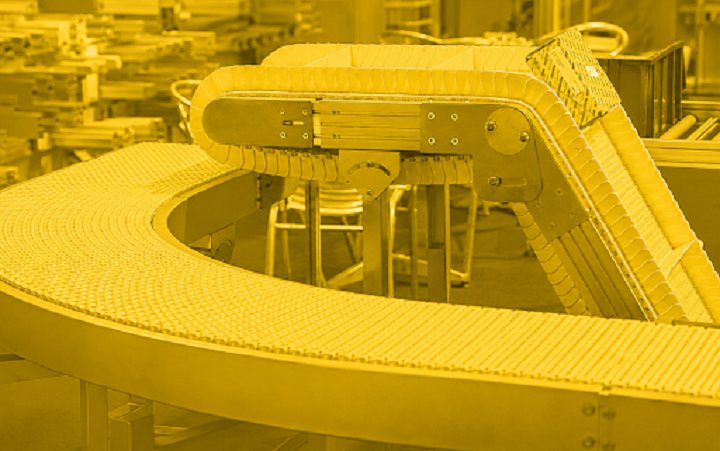
Every busy facility eventually reaches the point where moving material by hand, by cart, or by forklift becomes the slowest part of the day. A well-chosen conveyor for material handling solves that problem by carrying cardboard, scrap, mixed waste, and recyclables from the place where they are generated to the machine that processes them, without interruption and without putting workers in harm's way. From our base in Southern California, we supply and support engineered conveyor systems that feed balers, compactors, transfer stations, and sorting lines, and we have been doing it since 1956. This page explains how these systems work, which types are available, how they pair with other equipment, and what to ask before you buy.
Why Conveyors Matter in Waste and Recycling Operations
Waste handling looks simple until you measure it. Every minute a crew spends pushing carts, tipping bins, or feeding a hopper by hand is a minute not spent on production, sorting, or loading. Manual feeding also creates uneven flow, which means your baler or compactor sits idle for part of the shift and then gets overloaded for the rest. Conveyors smooth that out. They deliver material at a steady, controllable rate so that downstream machines run closer to their rated capacity, and they give operators a predictable process instead of a series of surges.
Safety is the second reason. Lifting, climbing, and reaching into hoppers are common sources of injury in recycling rooms and transfer stations. A properly guarded conveyor keeps people away from pinch points and moving rams, and it allows platforms, rails, and emergency stops to be built into the line from the start. Fewer manual touches also mean fewer opportunities for contamination, which matters when you are baling clean cardboard or separating metals for resale. Consistent, guarded material flow also makes it easier to meet internal safety audits and inspections without constant workarounds.
Conveyor Systems Built for Heavy Duty Work
Not every application needs the same machine, so our line covers light sorting duty through the toughest scrap and municipal solid waste environments. For high-volume, abusive service, our steel belt conveyor systems are the workhorses. The SA class steel apron belt conveyors use a thick pan belt with shallow double-beaded pans and are designed for roughly 20 to 50 tons per hour, which makes them a common choice for feeding transfer system compactors, large two-ram scrap balers, construction and demolition lines, and mixed waste lines. The SE class economy steelbelt conveyors handle about 12 to 30 tons per hour and are well suited to pre-crusher compactor feeds and similar heavy-duty jobs where the full SA specification is not required.
For sorting and recovery, our MRF conveyor systems combine sliderbed conveyors, magnetic separation, and OSHA-compliant platforms into a complete line. The medium volume curbside configuration, for example, gives sorters a platform on both sides of the belt and clearance for loading equipment, and it pairs naturally with an adjacent baling line. Larger materials recovery facility layouts can add bins, fluffers, and additional sorting stations as the operation expands.
From an operational standpoint:
- Waste is generated and temporarily stored in bins or carts.
- Periodically, it is loaded into the compactor hopper.
- The compactor is activated (manually or automatically).
- Waste is compressed, and the container or bale is sealed.
- The compacted bundle is transported or disposed of, requiring fewer pickups.
- The cycle repeats, and your facility experiences fewer interruptions, less accumulation of loose waste, and reduced labour and transport costs.
Why Choose Us
Decades of Experience
Mark Costello has been a trusted name in waste management for decades, delivering reliable and effective solutions that businesses count on.
Cutting-Edge Technology
Using the latest technology, We ensures that waste management systems are efficient and up to industry standards, from food digesters to compactors.
Customized Solutions
At Mark Costello,we provides tailored waste management solutions that fit each business’s unique needs, ensuring a smooth integration into existing operations.
Focused on Sustainability
Mark Costello is dedicated to helping businesses achieve their sustainability goals by turning waste into valuable resources, supporting a greener future.
Matching Conveyors with Balers, Compactors, and Size Reduction
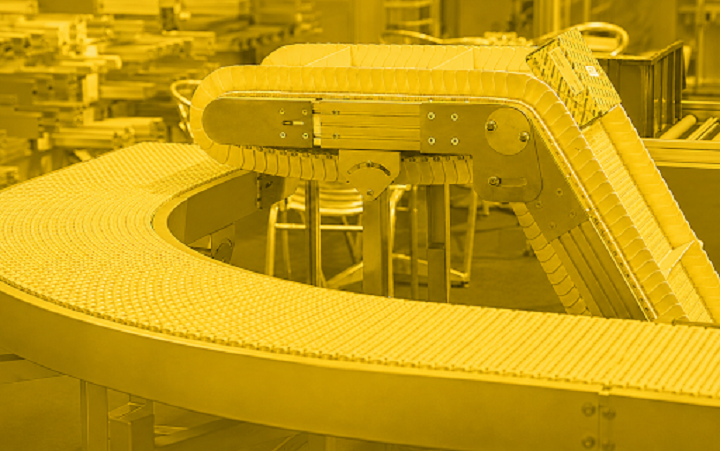
A conveyor for material handling is rarely a standalone purchase. Its value comes from how well it works with the equipment on either end, which is why we look at the whole line instead of one machine at a time. At the receiving end, a conveyor can collect material from dump stations, tipping floors, or sorting platforms and carry it to a hopper without anyone climbing a ladder. At the discharge end, it needs to match the feed opening, charge rate, and cycle time of the machine that follows.
For recycling operations, that machine is often a baler. Our recycling equipment range includes vertical, side-eject, closed-end, and open-end auto-tie horizontal models, and our two-ram balers are built for the heavy scrap and mixed material that steel apron conveyors are designed to deliver. If your operation is centered on packaging waste, a conveyor-fed line ahead of our cardboard balers keeps bales consistent and dock space clear. Facilities that want a broader look at the process can also read about our recycling balers and how bale density translates into lower hauling costs.
Size reduction is the other common pairing. Organic waste from kitchens and food plants can be processed with a food waste grinder before moving to collection, and healthcare and pharmaceutical facilities may combine conveyors with a medical waste grinder or medical waste sterilizers as part of a regulated handling process.
Service, Support, and Getting Started
Equipment is only as good as the support behind it. The Mark Costello Co. has served customers across Southern California and beyond for decades, and our approach is to stay involved after the delivery truck leaves. That means helping with layout and specification before you buy, coordinating installation, supplying parts, and providing service so that a conveyor for material handling keeps running through peak season instead of becoming the bottleneck it was meant to remove.
Good planning shortens the path to a quote. Before you contact us, it helps to gather a few details: the type and approximate weight of the material, the volume you handle per hour or per day, the distance and incline the belt must cover, and the machine it will feed. Photos of the area and a rough sketch of the floor plan are also useful, because they let us flag clearance, power, and safety issues early. If you already own a baler or compactor, tell us the model so we can confirm compatibility.
Whether you are replacing a worn belt, adding a sorting line to an existing baler, or building a complete recovery system, our team can walk through the options and recommend a practical solution. Reach out through our contact page or call our office, and we will help you move from a rough idea to a specified, quoted, and scheduled project.
Send Us a Message
Send us a message with your questions or concerns and our team member will contact you. We’d love to hear from you.
Client Testimonials
It’s been a great relationship with The Mark-Costello Company; they are very dependable to all of our waste handling requirements and have made us aware of the importance of recycling and the upcoming waste handling issues in the future.
Thank you for your services to our company. Your teamwork has been very attentive and diligent in the way it has been carried out. We are very pleased with the teamwork, the price and the quality of your services. We expect to continue an excellent business relationship with you in the near future.
The Model we operate is a AS 512 equipped with a unique “pull out drawer” making it easy for the Housekeeping Staff to load. This unit has a capacity of approximately 750 lbs. per cycle. We expect to keep our Mark-Costello autoclave in operation for another 8 years or longer!
Frequently Asked Questions
Here are answers to some of the most common questions we receive about commercial garbage compactor provided by The Mark-Costello Co.
What types of conveyors do you offer for waste and recycling?
We supply heavy-duty steel apron and economy steelbelt conveyors, sliderbed conveyors with magnetic separation, and complete MRF sorting lines. Each is selected based on the material, volume, and equipment it will feed.
How do I know which conveyor capacity I need?
Start with the tons per hour you handle now and the growth you expect. As a reference, our SE class suits roughly 12 to 30 tons per hour, while the SA class is designed for about 20 to 50 tons per hour.
How much noise does a plastic granulator produce during operation?
Granulators can be loud, especially high-capacity units. However, our machines are designed with sound-insulated housings and vibration-reduction features. Optional enclosures and silencers are available for noise-sensitive environments.
Can a conveyor be added to a baler or compactor I already own?
In most cases, yes. We match the belt, hopper, and discharge height to your existing machine, and we confirm feed rate, guarding, and controls so the two work together safely.
Why choose a conveyor for material handling instead of manual feeding?
A conveyor delivers material at a steady rate, reduces lifting and injury risk, keeps your baler or compactor running closer to capacity, and frees staff for sorting and other higher-value tasks.
Do you provide installation, parts, and service?
Yes. We help with layout and specification, coordinate installation, and support your equipment with parts and service so downtime stays low.