
Heavy-Duty Vertical Baler
Heavy-Duty Vertical Baler Solutions for Commercial and Industrial Recycling
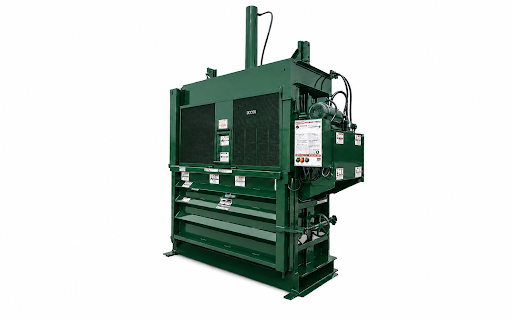
Businesses that handle large volumes of cardboard, plastic film, and packaging waste need equipment that keeps up with daily demand, and a heavy-duty vertical baler is one of the most efficient ways to do it. At The Mark Costello Co., we have spent decades helping warehouses, retailers, distribution centers, and manufacturers turn loose, bulky waste into dense, tightly tied bales that are easy to store, move, and sell. This page explains how these machines work, where they fit, and what to look for before you buy.
Why a Heavy-Duty Vertical Baler Matters
Waste is not just a disposal problem. It is a space problem, a labor problem, and a cost problem. Loose cardboard fills dumpsters quickly, creates fire and trip hazards, and forces you to pay for frequent pickups. A heavy-duty vertical baler solves these problems by compressing material into compact bales that can weigh anywhere from a few hundred to well over a thousand pounds.
The savings add up in several ways:
- Lower hauling costs. Dense bales mean fewer pickups. Many businesses reduce their trash service frequency significantly after installing a baler.
- Recycling revenue. Clean, baled cardboard and plastic are valued by recyclers. Loose material rarely earns anything.
- Reclaimed floor space. A vertical machine has a small footprint compared with horizontal systems, so it fits in back rooms, loading docks, and tight stockrooms.
- Cleaner, safer facilities. Removing stacks of loose boxes reduces clutter, pests, and fire risk.
How a Vertical Baler Works and What Sets Heavy-Duty Models Apart
The operating principle is simple. You load material through the front door, close and latch it, and start the cycle. A hydraulic ram descends from above and presses the material against the floor of the chamber. After several cycles, the chamber fills with compressed material. You then tie off the bale with wire or strapping, open the door, and eject it onto a pallet or the floor.
What separates a heavy-duty machine from a light-duty one comes down to build quality and capacity:
Cylinder and ram force. Heavy-duty balers use larger hydraulic cylinders and higher tonnage, which produces denser bales. Denser bales mean more weight per load, better recycler pricing, and fewer trips.
Reinforced construction. Thicker steel plate, welded bale chambers, and reinforced platens stand up to continuous use. This matters in facilities where the machine runs multiple shifts.
Larger chamber and bale size. A bigger opening lets operators feed large boxes and bulky items without breaking them down by hand. That saves labor every day.
Safety interlocks. Quality machines will not cycle unless the door is closed and latched. Look for UL-listed control panels, emergency stops, and clear lockout provisions.
Reliable controls. PLC-based controls give you consistent cycles, easy diagnostics, and simpler troubleshooting when something needs attention.
From an operational standpoint:
- Waste is generated and temporarily stored in bins or carts.
- Periodically, it is loaded into the compactor hopper.
- The compactor is activated (manually or automatically).
- Waste is compressed, and the container or bale is sealed.
- The compacted bundle is transported or disposed of, requiring fewer pickups.
- The cycle repeats, and your facility experiences fewer interruptions, less accumulation of loose waste, and reduced labour and transport costs.
Why Choose Us
Decades of Experience
Mark Costello has been a trusted name in waste management for decades, delivering reliable and effective solutions that businesses count on.
Cutting-Edge Technology
Using the latest technology, We ensures that waste management systems are efficient and up to industry standards, from food digesters to compactors.
Customized Solutions
At Mark Costello,we provides tailored waste management solutions that fit each business’s unique needs, ensuring a smooth integration into existing operations.
Focused on Sustainability
Mark Costello is dedicated to helping businesses achieve their sustainability goals by turning waste into valuable resources, supporting a greener future.
Industries and Materials a Heavy-Duty Vertical Baler Handles
One of the best things about this equipment is its flexibility. A single heavy-duty vertical baler can process a wide range of materials, which is why it shows up in so many industries.
Common materials include:
- Corrugated cardboard (OCC)
- Office paper and paperboard
- Plastic film and shrink wrap
- PET bottles and plastic containers
- Light scrap metal such as aluminum extrusions
- Textiles and rubber
Industries that benefit most:
- Retail and grocery: Stores receive constant cardboard shipments and need a tidy way to deal with it every day.
- Warehousing and distribution: High pallet turnover produces mountains of packaging.
- Manufacturing: Shrink wrap, trim waste, and packaging scrap can be baled and sold.
- Hospitality and food service: Restaurants, hotels, and stadiums generate heavy cardboard waste in small back-of-house spaces.
- Healthcare and institutional sites: Hospitals and campuses create steady streams of packaging that must be managed safely.
Facilities in the healthcare sector often have additional regulated waste requirements beyond standard recycling. In those cases, a medical waste sterilization system can handle the regulated stream while a baler manages ordinary packaging and paper.
Installation, Service, and Long-Term Support
Buying the right machine is only half the equation. Proper installation and ongoing maintenance determine how long it lasts and how safely it runs.
Professional installation ensures the unit is leveled, anchored, wired, and tested correctly. It also includes operator walkthroughs so your team understands loading, tying, and ejecting procedures. Our team can handle everything from delivery to commissioning through our baler installation services.
Preventive maintenance is what keeps a baler productive for decades. A good schedule includes:
- Checking hydraulic fluid levels and inspecting hoses for leaks
- Greasing moving parts and guide points
- Inspecting door latches, safety switches, and wiring
- Reviewing cylinder condition and platen alignment
- Replacing worn wear parts before they fail
Skipping maintenance leads to slow cycles, weak bales, and expensive breakdowns at the worst possible time. Our equipment repair and maintenance program keeps your machines on a predictable schedule, so you avoid emergency downtime.
Operator training matters just as much. Well-trained employees feed the machine correctly, tie bales properly, and follow lockout procedures. Safe habits protect people and extend the life of the equipment.
If you are not sure which model suits your operation, we can assess your material mix, volume, and floor layout and recommend the right fit. You can reach us anytime through our contact page to request a quote or schedule a site visit.
Send Us a Message
Send us a message with your questions or concerns and our team member will contact you. We’d love to hear from you.
Client Testimonials
It’s been a great relationship with The Mark-Costello Company; they are very dependable to all of our waste handling requirements and have made us aware of the importance of recycling and the upcoming waste handling issues in the future.
Thank you for your services to our company. Your teamwork has been very attentive and diligent in the way it has been carried out. We are very pleased with the teamwork, the price and the quality of your services. We expect to continue an excellent business relationship with you in the near future.
The Model we operate is a AS 512 equipped with a unique “pull out drawer” making it easy for the Housekeeping Staff to load. This unit has a capacity of approximately 750 lbs. per cycle. We expect to keep our Mark-Costello autoclave in operation for another 8 years or longer!
Frequently Asked Questions
Here are answers to some of the most common questions we receive about commercial garbage compactor provided by The Mark-Costello Co.
How much space does a vertical baler need?
Most vertical models occupy only a few square feet of floor space, but you also need enough overhead clearance for the ram and enough open area in front for loading and bale ejection. Always check the machine’s overall height and your ceiling before ordering.
What is the difference between a vertical baler and a horizontal baler?
A vertical baler is loaded by hand through a front door and compresses material downward, making it ideal for small to mid-size volumes and tight spaces. Horizontal balers are larger, often conveyor-fed, and suited to very high-volume operations. For many businesses, vertical machines offer the best balance of cost and capacity.
How heavy can a bale get?
Bale weight depends on the model, the material, and the machine’s compression force. Cardboard bales from a stronger unit commonly range from several hundred pounds up to around a thousand pounds or more. Your recycler can tell you the ideal bale weight for their pickup process.
What is the difference between stationary and self-contained compactors?
A stationary compactor is connected to a separate container that a hauler takes away and replaces. A self-contained unit has the compactor and container built together as one sealed system, which is better suited to wet or odorous waste. Trash compactor commercial use often involves both, depending on the site.
How often does a baler need maintenance?
We recommend a regular preventive maintenance schedule, typically quarterly for moderate use and more often for multi-shift operations. Daily visual checks by operators, such as looking for leaks and testing safety features, also help catch small problems early.
Can a heavy-duty vertical baler really save my business money?
Yes, in most cases. Fewer dumpster pickups, rebate income from recyclable bales, less labor spent moving loose material, and a cleaner workspace all contribute to savings. The exact payback period depends on your volume and local hauling rates, and we can help you estimate it.