
Hydraulic Trash Compactor
Hydraulic Trash Compactor Solutions for Commercial and Industrial Waste
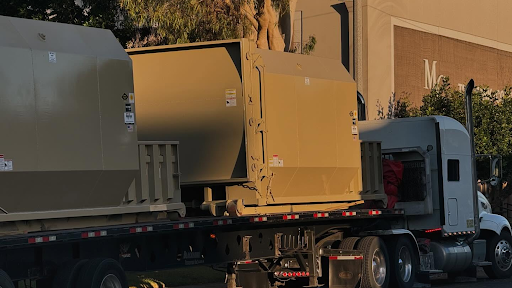
A hydraulic trash compactor is one of the most practical upgrades a business can make to its waste-handling system. It uses powerful hydraulic force to compress loose trash into dense, manageable loads. That means fewer pickups, lower hauling costs, and a cleaner site. Whether you run a restaurant, a warehouse, a hospital, or a manufacturing plant, the right compaction equipment can change how efficiently your waste is managed. With manufacturing and distribution experience dating back to 1956, The Mark Costello Co. helps businesses find waste and recycling equipment that matches their volume, space, and budget.
Why Waste Compaction Matters for Your Business
Every business produces waste, but not every business handles it efficiently. Loose trash takes up a surprising amount of space. A standard dumpster can look full when it is mostly air, and you end up paying for hauls that carry far less material than the container can actually hold.
Compaction fixes this problem at the source. By compressing waste before it leaves your property, you fit much more material into the same container. The benefits add up quickly:
Fewer pickups. Dense loads mean your hauler visits less often, which cuts service fees and fuel-related charges.
Smaller footprint. One compactor can replace several overflowing dumpsters, freeing valuable outdoor or dock space.
Cleaner, safer grounds. Enclosed compaction reduces litter, odors, and pest activity, which helps with both public image and health compliance.
Lower labor demands. Staff spend less time hauling bags to multiple bins or restacking overflowing containers.
Better sustainability reporting. Fewer truck trips mean a smaller carbon footprint, which matters to many customers and stakeholders.
How a Hydraulic Trash Compactor Works
Understanding the mechanics helps you see why this equipment is so dependable. A hydraulic trash compactor relies on pressurized fluid rather than mechanical gears or springs to generate force. The core components work together like this:
Hydraulic power unit. An electric motor drives a pump that pressurizes hydraulic fluid stored in a reservoir.
Hydraulic cylinder. The pressurized fluid pushes a piston inside the cylinder, creating strong, steady linear force.
Compaction ram or platen. Attached to the cylinder, the ram pushes forward (or downward) and presses waste against a fixed wall or into a receiving container.
Control system. Push-button or automatic controls start and reverse the cycle, with safety interlocks that stop the ram if a door or hatch is opened.
Because hydraulic systems deliver consistent pressure through the entire stroke, they compress material evenly and reliably. They are also well suited to heavy, bulky, or mixed waste that would overwhelm lighter equipment. Many models allow adjustable pressure settings, so you can match the compaction force to the type of material you handle.
Another advantage is durability. Hydraulic components are built to handle repeated heavy-duty cycles, and with routine fluid checks and inspections, they can run for many years. The smooth, controlled motion also reduces shock and wear on the machine frame, which helps protect your investment.
Most commercial compactors fall into two main categories. A stationary compactor is installed at a fixed location and feeds compacted waste into a large detachable container. A self-contained compactor has a sealed, integrated container, which makes it ideal for wet waste such as food scraps. You can explore these options on our stationary compactors page and our self-contained compactors page.
From an operational standpoint:
- Waste is generated and temporarily stored in bins or carts.
- Periodically, it is loaded into the compactor hopper.
- The compactor is activated (manually or automatically).
- Waste is compressed, and the container or bale is sealed.
- The compacted bundle is transported or disposed of, requiring fewer pickups.
- The cycle repeats, and your facility experiences fewer interruptions, less accumulation of loose waste, and reduced labour and transport costs.
Why Choose Us
Decades of Experience
Mark Costello has been a trusted name in waste management for decades, delivering reliable and effective solutions that businesses count on.
Cutting-Edge Technology
Using the latest technology, We ensures that waste management systems are efficient and up to industry standards, from food digesters to compactors.
Customized Solutions
At Mark Costello,we provides tailored waste management solutions that fit each business’s unique needs, ensuring a smooth integration into existing operations.
Focused on Sustainability
Mark Costello is dedicated to helping businesses achieve their sustainability goals by turning waste into valuable resources, supporting a greener future.
Industries and Applications That Benefit Most
Compaction equipment is not limited to one type of business. Any operation that produces steady waste can benefit, but a few industries see especially strong results.
Restaurants, hotels, and grocery stores. Food service generates heavy, wet, and odor-prone waste. A sealed, self-contained unit keeps liquids contained and keeps your dumpster area clean and sanitary.
Warehouses and distribution centers. These facilities produce large volumes of cardboard, shrink wrap, and packaging. Pairing compaction with baling lets you reduce volume and, in many cases, earn value from recyclable materials. Learn more about balers and recycling equipment.
Manufacturing and industrial plants. Production environments create scrap, packaging, and mixed refuse around the clock. A heavy-duty hydraulic trash compactor can keep up with this constant output without frequent breakdowns.
Hospitals, schools, and apartment communities. Institutions and multi-family properties need discreet, hygienic waste handling. Compactors and trash chute systems keep waste contained and out of sight. See our waste handling equipment overview for related solutions.
Retail centers and office complexes. Shared waste areas can fill fast, especially on busy days. Compaction keeps shared dumpsters from overflowing and reduces the number of service visits tenants have to coordinate.
In every case, the goal is the same: move more waste per pickup, keep the site tidy, and give your team one less thing to worry about.
Picking the right machine starts with an honest look at your waste. Consider these factors before you decide:
- Waste type. Dry cardboard and packaging call for different equipment than wet food waste or mixed industrial scrap.
- Daily and weekly volume. Estimate how much material you generate so you can size the compactor and container correctly.
- Available space and access. Measure your dock, pad, or enclosure, and confirm that hauler trucks can reach the container safely.
- Power requirements. Check your available voltage and electrical capacity, since installation needs a suitable power supply.
- Hauler compatibility. Make sure the container style matches what your waste hauler can service.
- Budget and ownership goals. Decide whether purchasing or another arrangement fits your finances and planning horizon.
Once you have chosen a unit, proper installation matters. A level, reinforced pad, correct electrical connections, and safe loading access all affect performance and safety. Operators should also be trained on controls, lock-out procedures, and what should never go into the machine, such as hazardous materials, pressurized containers, or flammable items.
Send Us a Message
Send us a message with your questions or concerns and our team member will contact you. We’d love to hear from you.
Client Testimonials
It’s been a great relationship with The Mark-Costello Company; they are very dependable to all of our waste handling requirements and have made us aware of the importance of recycling and the upcoming waste handling issues in the future.
Thank you for your services to our company. Your teamwork has been very attentive and diligent in the way it has been carried out. We are very pleased with the teamwork, the price and the quality of your services. We expect to continue an excellent business relationship with you in the near future.
The Model we operate is a AS 512 equipped with a unique “pull out drawer” making it easy for the Housekeeping Staff to load. This unit has a capacity of approximately 750 lbs. per cycle. We expect to keep our Mark-Costello autoclave in operation for another 8 years or longer!
Frequently Asked Questions
Here are answers to some of the most common questions we receive about commercial garbage compactor provided by The Mark-Costello Co.
What types of waste can a compactor handle?
Most commercial compactors handle general refuse, cardboard, paper, plastic packaging, and similar solid waste. Wet or food-heavy waste should go into a sealed, self-contained model designed to hold liquids. Hazardous materials, aerosol cans, propane tanks, and flammable or explosive items should never be compacted.
Reduction depends on the material and the machine, but compaction commonly reduces waste volume by a large margin compared to loose disposal. Light, bulky materials like cardboard and packaging usually see the biggest gains. The result is fewer hauls, lower service costs, and fewer overflowing containers.
How much can a hydraulic trash compactor reduce my waste volume?
Reduction depends on the material and the machine, but compaction commonly reduces waste volume by a large margin compared to loose disposal. Light, bulky materials like cardboard and packaging usually see the biggest gains. The result is fewer hauls, lower service costs, and fewer overflowing containers.
How often does a compactor need maintenance?
Daily or weekly visual checks are a good habit, covering fluid levels, leaks, and safety switches. Beyond that, a scheduled professional inspection helps keep the system running reliably. Always follow the maintenance guidelines from the equipment manufacturer.
Is a stationary compactor or a self-contained compactor better for my business?
It depends on your waste. A stationary compactor suits high volumes of dry waste where a large container can be hauled away. A self-contained compactor works better for wet waste, tight spaces, and sites where odor and leaks must be controlled. Reviewing your waste type, volume, and layout will point to the best fit.
How do I know what size compactor I need?
Start by estimating how much waste you produce each week and how often your hauler picks it up. Then consider your available space, power supply, and loading method. Our team can review these details with you and recommend a properly sized system, so you avoid paying for capacity you will not use.