
Ask any facility manager what drives up their waste budget the most, and hauling fees usually come up fast. Every pickup has a cost attached, and when a facility is generating waste faster than a standard container can hold it, that means more trucks, more scheduling headaches, and more line items on the monthly invoice. Fuel surcharges alone can turn a modest hauling contract into a much bigger expense than expected, and that is before accounting for the overflow issues, pest problems, and general mess that come from bins that fill up faster than the pickup schedule can keep pace with.
Self-compacting containers solve this problem at the source. Instead of relying on more frequent pickups to keep up with volume, these units compress waste as it comes in, fitting significantly more material into the same footprint a standard container would occupy. Fewer pickups mean lower hauling costs, less truck traffic around a facility, and fewer chances for waste to sit around long enough to become a real problem.
What Self-Compacting Containers Are
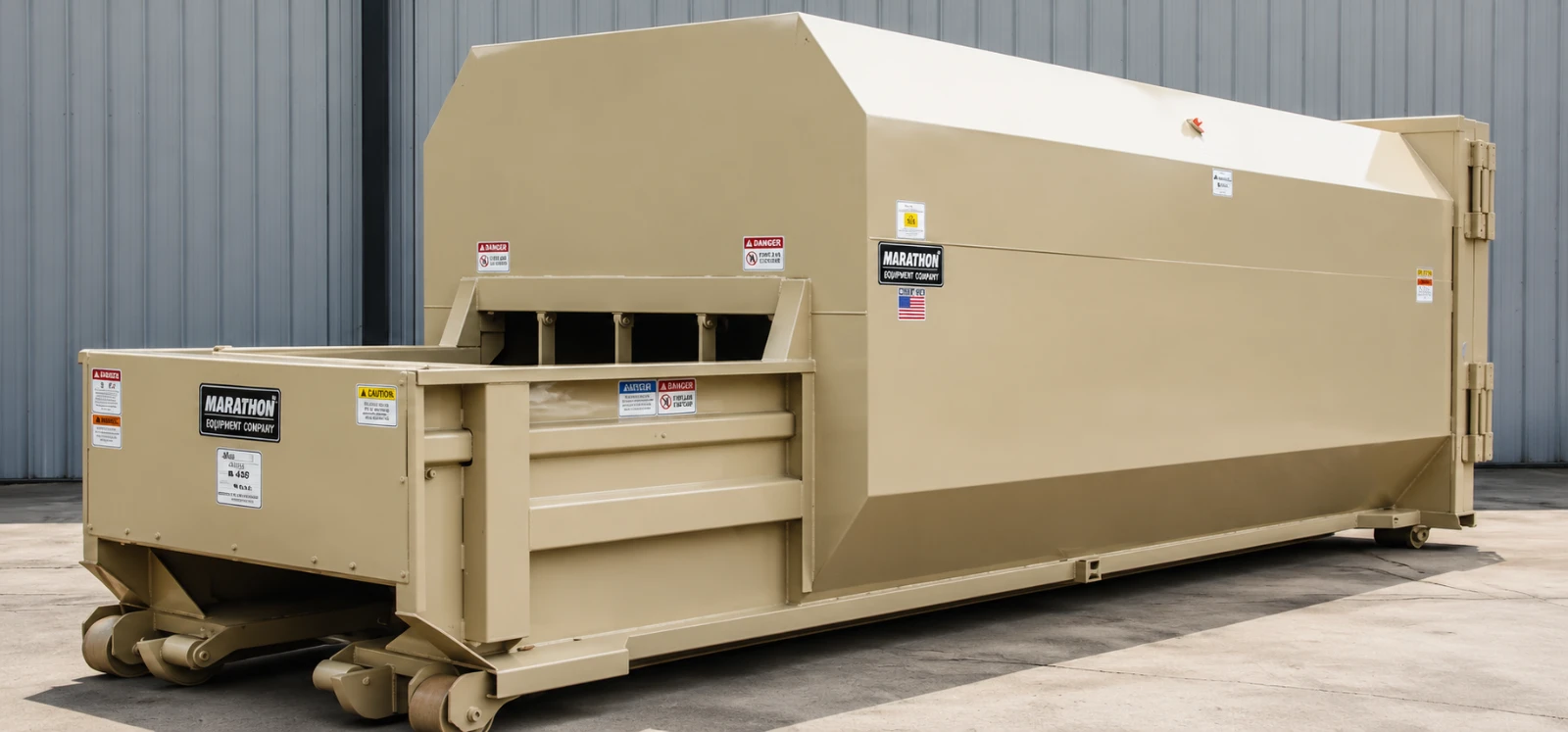
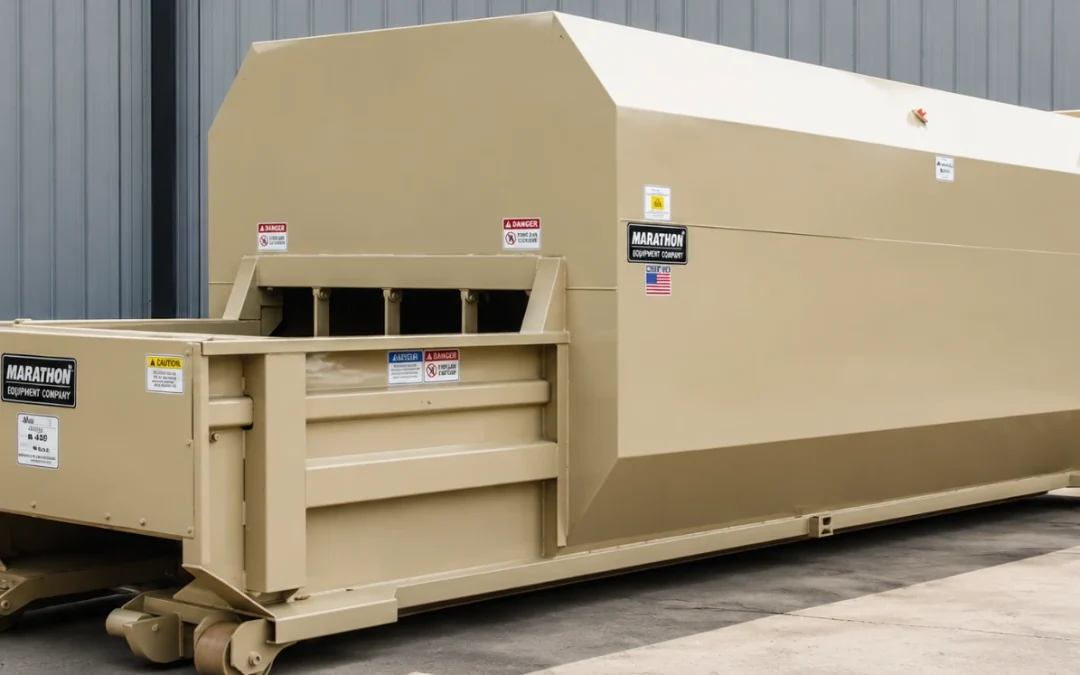
A self-compacting container combines two functions that are normally handled separately: a compaction mechanism and a sealed storage container. As waste enters the unit, an internal ram compresses it against the material already inside, reducing its volume and packing it more densely than gravity alone would ever manage. The compacted waste stays sealed inside the container until it is full, at which point the entire unit is hauled away and replaced or emptied, depending on the setup a facility uses.
This is a meaningfully different approach compared to a standard open-top dumpster, where waste simply accumulates until someone notices it is full or a scheduled pickup arrives. An open-top container offers no compaction at all, which means loose or bulky waste can fill the available space quickly without actually representing much weight or true volume once compacted. Self-contained compactors close that gap, making sure every cubic foot of container space is doing real work rather than holding air pockets around loosely packed material.
The sealed design also matters for a reason that goes beyond volume. Because the unit is fully enclosed, it prevents the kind of leakage, odor escape, and pest access that open containers are prone to, particularly when wet or organic waste is involved. That single design difference ends up mattering just as much as the compaction itself for a lot of facilities.
Most self-contained units are also designed with the hauling process itself in mind. The container and the compaction mechanism are built as one integrated unit, so when it is time for pickup, the entire container is hauled away and either emptied or exchanged for an empty unit on the spot. This eliminates the need for a separate compaction step at a transfer facility, since the material is already compressed to its final density before it ever leaves the property. For facilities generating a steady, predictable stream of waste, this integrated approach tends to be far simpler to manage day-to-day than juggling separate compaction and storage equipment.
Why Hauling Frequency Drives Up Costs
Every hauling contract is structured around some combination of a base fee and a per-pull charge, meaning the facility pays every time a truck comes to empty or replace a container. When a facility needs pickups several times a week instead of once, those per-pull charges add up quickly, often becoming one of the largest line items in a facility’s waste management budget over the course of a year.
Beyond the direct cost of each pull, frequent hauling brings a set of secondary costs that are easy to overlook. More truck traffic around a facility means more wear on loading dock areas, more scheduling coordination with hauling companies, and more disruption to daily operations every time a truck needs access to a container. For facilities in tight urban locations or busy retail centers, coordinating frequent truck visits can become a genuine logistical challenge on its own.
Then there is the issue of what happens to waste that sits around waiting for pickup, particularly when that waste includes food scraps or other organic material. Uncompacted wet waste in an open container creates ideal conditions for odor, pest activity, and leachate, the liquid runoff that can seep out of decomposing organic material. None of that is pleasant for anyone working near the container, and in some cases it can create real sanitation and compliance concerns that go well beyond simple inconvenience.
There is also a scheduling rigidity problem that comes with high hauling frequency. A facility on a fixed multiple times-a-week pickup schedule loses flexibility to adjust as business volume changes throughout the year. A slow season still means paying for the same number of scheduled pickups, while a sudden busy stretch can leave a facility waiting days for its next scheduled truck even as containers overflow. That mismatch between actual need and contracted schedule is one of the quieter costs of relying on frequent hauling rather than addressing volume at the source.
How Compaction Reduces Pickup Volume
The math behind self-compacting containers is straightforward once you see it in action. A typical compaction ratio allows significantly more waste to fit into the same size container compared to an uncompacted equivalent, since the ram physically presses air pockets and loose material into a dense, packed mass. That means a facility generating the same amount of waste needs far fewer pickups to clear it, simply because each pickup is now hauling away a much denser, heavier load than an open container ever could.
This compounds nicely with the sealed design mentioned earlier. Because the unit stays closed during the compaction process, it also prevents the kind of leakage that would otherwise occur if wet or liquid heavy waste were compacted in an open environment. The combination of compaction and sealing is really what makes these units effective for high-volume, high-moisture waste streams that would be difficult or unpleasant to manage any other way.
It is worth noting that compaction ratios are not identical across every waste stream. Dry, compressible material like cardboard and paper compacts differently than wet food waste or mixed retail trash, which is part of why choosing the right unit for a facility’s specific waste profile matters so much. A unit sized and configured for the wrong type of waste will not deliver the same reduction in pickup frequency that a properly matched system would, which is why a waste audit before installation tends to pay for itself many times over.
Monitoring Fullness to Optimize Pickup Schedules
A compactor that reduces volume is only half the equation. The other half is knowing exactly when a unit actually needs to be emptied, rather than guessing based on a fixed schedule that might not match real usage patterns. This is where fullness monitoring systems come into play, using sensors inside the container to track how much space remains and reporting that information back to facility management or directly to the hauling company.
Instead of paying for a pickup on a set schedule regardless of whether the container is actually full, a facility using fullness monitoring can call for service only when it is genuinely needed. This prevents two costly scenarios at once: paying for a pickup on a container that is only half full, and running the risk of a container overflowing because the scheduled pickup date happened to fall a few days too late. Facilities that combine self-compacting containers with fullness monitoring tend to see the most consistent and predictable hauling costs, since every pickup represents a container that is genuinely ready to be emptied.
Best Applications for Self-Compacting Containers
Self-compacting containers tend to deliver the biggest benefit in settings that generate high volumes of waste, particularly wet or food-based waste that would otherwise create odor and pest problems if left uncompacted. Restaurants and food service operations are a natural fit, given the steady stream of food scraps and packaging waste that comes with daily kitchen operations. Grocery stores and retail locations dealing with spoiled produce, packaging waste, and general high foot traffic waste generation also benefit significantly from the reduced hauling frequency these units provide.
Multi-family housing properties represent another strong use case, particularly larger complexes where waste volume from many households adds up quickly and where property managers are looking for ways to control hauling costs across a shared waste system. Hospitals and healthcare facilities, which generate significant waste volume around the clock and often deal with sensitive material that needs to be handled and disposed of properly, also find real value in the combination of compaction and sealed containment that these units provide.
Warehousing and distribution operations that handle significant packaging waste, such as shrink wrap, cardboard, and shipping materials mixed with general trash, also see strong results from self-compacting units, particularly when paired with separate recycling streams for the more valuable materials in that waste stream. Educational campuses and institutional food service operations round out the list of facilities that tend to benefit most. A school district cafeteria system or a large university dining hall generates a steady, predictable volume of food waste every day of the academic calendar, which makes it relatively easy to size a self-compacting unit correctly and forecast how often pickups will be needed. The predictability of these waste streams, combined with the strong incentive to control odor and pest issues on a campus with heavy foot traffic, makes self-compacting containers a natural fit in these settings as well.
Restaurants in particular tend to see the fastest return on this kind of investment, since food service waste is almost always wet, heavy, and prone to odor if it sits around even for a day or two. A compactor that seals that waste away and reduces how often a truck needs to visit the property addresses both the cost problem and the customer-facing problem of a smelly dumpster area near an entrance or patio.
Cost Comparison Framing
When comparing the overall cost of a self-compacting container program against a traditional open-top dumpster service, the calculation generally comes down to pickup frequency multiplied by per-pull cost. A facility that can reduce its pickup frequency significantly through compaction, even while paying a bit more for the equipment itself, often comes out ahead on total hauling spend over the course of a year. The exact numbers vary by facility, waste volume, and local hauling rates, but the underlying principle holds across most high-volume operations: fewer pickups moving denser, heavier loads tends to cost less than frequent pickups moving lighter, loosely packed material.
Bringing It All Together
Self-compacting containers address a problem that most high-volume facilities are already feeling, even if they have not thought about it in exactly these terms. Hauling costs driven by pickup frequency are one of the more controllable parts of a facility’s waste budget, and compaction technology offers a direct way to bring that frequency down without simply generating less waste, which is often not realistic for a busy operation. Combined with fullness monitoring to fine-tune pickup timing, self-compacting containers give facilities a genuinely effective way to reduce both the financial and operational burden of frequent hauling.
For facilities dealing with wet or organic waste in particular, the sealed design of these units solves a second problem at the same time, addressing odor, pest, and leachate concerns that come with letting uncompacted waste sit around waiting for pickup. That combination of fewer pickups and better containment is why so many high-volume operations eventually make the switch, once they see what a difference it actually makes to their monthly hauling invoice.
Facility managers evaluating this kind of upgrade often find that the decision comes down to a fairly simple comparison. On one side is the ongoing, compounding cost of frequent hauling, odor complaints, and pest control measures tied to an open container system. On the other side is a one-time investment in equipment that directly addresses the root cause of all three problems at once. Once that comparison is laid out clearly, the case for self-compacting containers tends to make itself.
How Mark Costello Can Help
Mark Costello offers a full line of self-contained compactors built for exactly this kind of high-volume, high-moisture waste challenge, including the RJ 88SC, RJ 88HT, and RJ 250HT models, along with wet waste-specific self-contained compactor options designed for the toughest food and liquid waste streams. Our TrashMinder fullness monitoring system pairs with these units to give facility managers real-time visibility into container status, so pickups happen exactly when they are needed and not a day sooner or later. If your facility is dealing with rising hauling costs, overflow issues, or odor and pest concerns from uncompacted waste, our team can walk through your current setup and recommend the right compactor solution for your volume and waste type. Reach out to Mark Costello today to schedule a waste audit and see how much a self-compacting container program could save your facility.
Frequently Asked Questions
What’s the difference between a self-contained compactor and a regular dumpster?
A self-contained compactor combines a compaction mechanism with a sealed container, actively compressing waste to fit more material into the same footprint. A regular dumpster is simply an open storage container with no compaction, meaning waste accumulates without being compressed and the container fills up based on loose volume rather than actual weight or density.
How much can a self-compacting container reduce hauling costs?
The exact savings depend on a facility’s waste volume, current pickup frequency, and local hauling rates, but most facilities see a meaningful reduction in the number of pickups needed once compaction significantly increases how much waste fits into each load. Fewer pickups generally translate directly into lower hauling costs over the course of a year.
Are self-contained compactors good for wet or food waste?
Yes, self-contained compactors are particularly well suited for wet and food waste because the sealed design prevents leakage, odor escape, and pest access that would otherwise be a problem with uncompacted waste sitting in an open container. Wet waste-specific models are built to handle these challenging waste streams even more effectively.
How do fullness monitoring systems work?
Fullness monitoring systems use sensors installed inside the container to track how much usable space remains, reporting that data back to facility management or directly to the hauling provider. This allows pickups to be scheduled based on actual container status rather than a fixed calendar schedule, preventing both wasted pickups on partially full containers and overflow from containers that filled up faster than expected.
What size self-contained compactor does my facility need?
The right size depends on your facility’s waste volume, the type of waste being generated, and how frequently you want to schedule pickups. A waste audit that looks at your current volume and generation patterns is the most reliable way to determine the correct unit size, since choosing a compactor that is too small defeats the purpose of reducing hauling frequency in the first place.

Michael Kelleher is an experienced content strategist at The Mark-Costello Co, with over five years of expertise in creating compelling, data-driven content for diverse industries. His focus on delivering high-quality blog posts and content strategies has helped businesses elevate their online presence and connect with their target audience effectively.