
Anyone running a high-volume facility knows the feeling. The dock is backed up, the sort line is short two people because someone called in sick, and the material keeps coming whether the staff is ready for it or not. Managers end up pulling people from other tasks just to keep material moving, and by the end of the shift everyone is exhausted from carrying, dragging, and stacking loads that never seem to stop. That kind of manual handling is expensive in ways that show up on more than one line of the budget. It shows up in overtime pay, in workers’ compensation claims, in turnover, and in the quiet inefficiency of good employees spending their day on tasks a machine could handle instead.
Automated conveyor systems solve a problem that most facility managers already know they have, even if they have not put a number on it yet. When material moves itself from one point in the process to the next, the people on the floor can focus on the work that actually needs a human touch, like sorting, quality checks, and equipment operation. The result is a leaner labor model that still keeps pace with high volume, without asking staff to do the kind of repetitive lifting that wears bodies down and drives injury claims up.
What Auto Conveyor Systems Actually Do
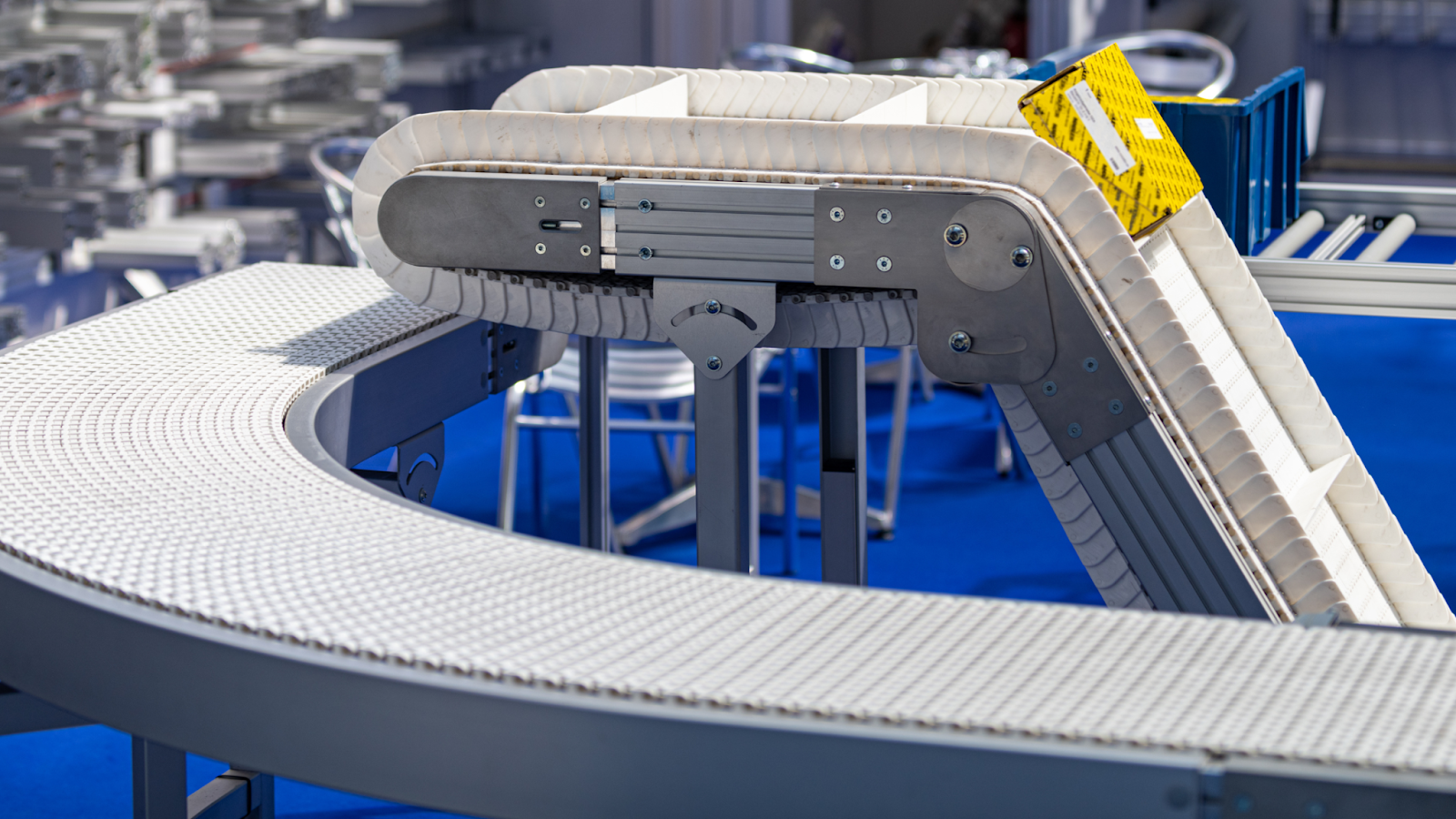
An automated conveyor system is exactly what it sounds like: a mechanical pathway that carries material from one part of a facility to another without someone pushing a cart or carrying a load by hand. In a waste, recycling, or industrial setting, that usually means moving material from a receiving area to a sorting station, from sorting to a baler or compactor, or from one processing stage to the next along a continuous line.
There are a few common types worth understanding, because the right choice depends heavily on what is being moved and how a facility is laid out. Steel belt conveyors are built for durability and heavier loads, making them a strong fit for facilities handling dense or abrasive material. Sliderbed conveyors use a flat, low-friction surface under a moving belt, which works well for lighter, more uniform material that needs to move smoothly and quietly. Then there are the conveyor systems built specifically for material recovery facilities, often called MRF conveyors, which are designed to support sorting lines where workers or optical sorters need consistent, controlled material flow to do their jobs accurately.
None of these systems are one size fits all, and that is part of the point. A facility that tries to force a single conveyor type to handle every job in the building usually ends up with bottlenecks somewhere along the line. The smarter approach is matching the conveyor type to the specific stage of the process, which is exactly why so many high-volume operations end up running a combination of belt types working together.
Speed and incline also play a role in how a conveyor system is designed. Some facilities need material to move quickly across a flat, open span, while others need to lift material up to a higher processing level or feed it into equipment positioned above floor height. A well-planned conveyor layout accounts for all of this before installation begins, rather than trying to retrofit a generic system into a space it was never designed for. Getting this planning stage right is often the difference between a conveyor system that quietly disappears into daily operations and one that becomes its own maintenance headache.
Where Labor Costs Pile Up Without Automation
It helps to look at exactly where the money goes when a facility relies on manual material handling for high-volume work. The first and most obvious place is time. Every minute a worker spends physically carrying, dragging, or pushing material from one part of a facility to another is a minute not spent on sorting, inspecting, or operating equipment. Multiply that across a full shift and a full crew, and the hours add up fast.
Then there is the injury side of the equation, which tends to be the more expensive problem even though it is less visible day to day. Repetitive lifting and awkward carrying postures are a leading cause of workplace injuries in facilities that handle physical material all day. Strains, sprains, and overuse injuries lead to workers’ compensation claims, missed shifts, and the cost of training replacement staff. Even when an injury is minor, it can pull an experienced worker off the floor for weeks, and that gap has to be filled somehow, usually with overtime for the remaining crew or a temporary hire who needs time to get up to speed.
Overtime itself becomes its own cost center in a manual handling environment. When volume spikes during a busy season or a large incoming load, a facility without automated material flow has few options besides asking existing staff to work longer hours or bringing in extra people who may not be trained to the same standard. Both options cost more per unit of material processed than a system that was built to handle that volume in the first place.
Turnover adds another layer to the cost picture that is easy to underestimate. Manual material handling roles tend to have higher turnover than positions that involve equipment operation or quality control, largely because the physical demands wear people down over time. Every time a facility loses a worker in one of these roles, it absorbs the cost of recruiting, onboarding, and training a replacement, all while running short-handed in the meantime. A facility that reduces its reliance on manual transport reduces the number of positions exposed to this kind of turnover in the first place, which pays off in a more stable, more experienced workforce over time.
How Conveyors Reduce Headcount Needs
This is where automated conveyor systems start to pay for themselves. By creating a continuous, mechanized flow from one stage of the process to the next, conveyors eliminate the manual touch points that used to require a person to physically move material. That does not mean people disappear from the floor. It means the people who are there spend their time on tasks that actually require judgment and skill, like sorting recyclables from contaminants, monitoring equipment, or catching quality issues before they become a bigger problem downstream.
Facilities that install conveyor systems typically find they need fewer workers per ton of material processed, not because anyone lost their job, but because the same crew can now handle more volume without the manual transport work eating into their time. That shift lets a facility either process more material with the same headcount or maintain current volume with a smaller crew, both of which improve labor cost per ton in a measurable way.
There is also a throughput benefit that is easy to overlook. A conveyor moves material at a steady, predictable pace, which means the rest of the operation can plan around that pace instead of guessing how fast people will move on a given day. Consistent throughput makes staffing easier to forecast and reduces the kind of scrambling that leads to unplanned overtime.
Labor Savings in Real Terms
It is worth being honest about what these savings actually look like in practice, because the goal here is not to promise a specific percentage that may not hold true for every facility. What tends to happen is a reduction in labor hours required per ton of material processed, since fewer people are needed to physically move material that a conveyor now handles automatically. Facilities that track this metric closely often use it as one of the clearest indicators of whether a conveyor investment is paying off, since it reflects both the labor saved on manual transport and the improved throughput that comes from steady, mechanized flow.
Safety and Compliance Benefits Alongside Cost Savings
Reducing manual handling does more than save labor hours. It also reduces the number of opportunities for a workplace injury to happen in the first place. The Occupational Safety and Health Administration has published extensive guidance on manual material handling risks, noting that awkward postures, repetitive motion, and heavy lifting are among the most common contributors to workplace injuries in industrial settings. Facilities that reduce the amount of manual carrying and lifting required in their daily operations tend to see fewer of these incidents over time, simply because there are fewer chances for them to occur.
Fewer injuries mean fewer workers’ compensation claims, which has a direct effect on insurance premiums and liability exposure. It also means fewer disruptions to daily operations, since an injured worker often needs to be replaced on short notice while the facility manages the paperwork, medical follow-up, and potential return-to-work accommodations that come with any workplace injury. None of that is cheap, and none of it is easy to plan around, which is part of why safety improvements and labor cost reductions tend to move together rather than being separate goals.
There is a compliance angle here too. Facilities that can point to concrete steps taken to reduce manual handling risk, such as the installation of automated conveyor systems, are generally in a stronger position during safety audits and inspections. Documentation of these improvements can also support a facility’s broader safety program, giving management a clear story to tell about how physical risk has been reduced over time rather than just a promise that things are being handled.
Where Auto Conveyors Fit in a High Volume Facility
Automated conveyor systems show up across a wide range of high-volume operations, and the common thread is always the same: a facility that needs to move a lot of material quickly and consistently without relying entirely on manual labor to do it. Material recovery facilities use conveyors extensively to move recyclables through sorting lines, where workers and optical sorting equipment need a steady, controlled flow to separate materials accurately. Distribution centers rely on conveyors to move goods from receiving to storage to shipping without bottlenecking at any single point. Manufacturing plants use them to keep production lines fed with materials and to move finished goods toward packaging and shipping areas.
Large retail operations and multi-tenant properties benefit from conveyor systems as well, particularly when paired with compaction or baling equipment. A conveyor that feeds material directly into a compactor or baler eliminates the need for staff to manually load that equipment, which further reduces labor time and the physical strain that comes with repeatedly lifting material into a machine. This kind of integration, where a conveyor works as part of a larger material flow line rather than a standalone piece of equipment, tends to produce the biggest labor savings because it removes manual handling at multiple points in the process rather than just one.
Facility managers considering this kind of upgrade often start by looking at the single busiest point in their current process, the spot where material tends to back up or where staff spends the most time on repetitive physical tasks. That is usually the best place to introduce automated conveyance first, since it delivers a visible improvement quickly and gives the team a clear picture of what a larger, facility-wide system could accomplish. From there, many operations expand their conveyor network in stages, adding new sections as budget allows and as the layout of the facility evolves.
Bringing It All Together
The case for automated conveyor systems in high-volume facilities comes down to a simple idea. Every manual touch point in a material handling process costs time, increases injury risk, and adds unpredictability to labor planning. Removing those touch points with a well-designed conveyor system, matched to the specific type of material and the specific stage of the process, gives a facility a more predictable, more efficient, and ultimately less expensive way to handle high-volume work. For facilities feeling the squeeze of rising labor costs and tight staffing, auto conveyor systems offer one of the more direct and measurable paths to real savings.
It is also worth remembering that labor savings and safety improvements are not the only benefits on the table. A facility that moves material more predictably tends to have an easier time forecasting output, scheduling maintenance windows, and planning for growth. When management can trust that material will move at a consistent pace regardless of who is working a given shift, a lot of the day-to-day guesswork that used to go into staffing decisions simply disappears. That kind of operational stability is hard to put a precise number on, but anyone who has managed a high-volume facility knows exactly how valuable it is.
How Mark Costello Can Help
Mark Costello has spent decades helping facilities across California and beyond move material more efficiently. Our conveyor system lineup includes steel belt conveyors built for heavy, abrasive material, sliderbed conveyors designed for smooth and quiet operation, and conveyor systems purpose built for material recovery facility sorting lines. Every system we build is custom engineered around the actual layout and volume of the facility it serves, not forced into a generic template that only fits some of the job. If your facility is dealing with rising labor costs, staffing headaches, or a sorting line that cannot keep up with incoming volume, our team can walk through your current setup and recommend a conveyor solution built for your specific needs. Reach out to Mark Costello today to schedule a system evaluation and see what automated material handling could do for your bottom line.
Frequently Asked Questions
How much can automated conveyors reduce labor costs?
The exact savings depend on a facility’s current staffing model and volume, but most operations see a meaningful reduction in labor hours required per ton of material processed once manual transport is automated. The savings come from both reduced headcount needs for physical movement of material and improved throughput from consistent, mechanized flow.
What’s the difference between steel belt and sliderbed conveyors?
Steel belt conveyors are built for durability and heavier, more abrasive loads, making them a strong choice for demanding industrial applications. Sliderbed conveyors use a flat, low-friction surface that works well for lighter, more uniform material and tends to run more quietly, which makes it a good fit for facilities where noise and gentle handling matter.
Do conveyor systems require special safety training?
Yes, staff working around conveyor systems should receive training on safe operation, lockout and tagout procedures, and general awareness of moving equipment. This training is typically far less intensive than the ongoing physical safety concerns tied to manual material handling, and it becomes a routine part of onboarding rather than an ongoing daily risk.
Can conveyors be integrated with existing compactors or balers?
In most cases, yes. Conveyors are often installed specifically to feed material directly into compactors or balers, which removes the need for staff to manually load that equipment. This kind of integration tends to produce some of the largest labor savings because it eliminates manual handling at more than one point in the process.
How long does conveyor installation typically take?
Installation timelines vary based on the size and complexity of the system, as well as the layout of the facility receiving it. A straightforward single-line conveyor can often be installed in a matter of days, while a more complex multi-stage system integrated with existing equipment may take longer to plan and install properly. Working with a team that understands your facility’s specific layout from the start helps keep installation timelines realistic and avoids costly rework.

Michael Kelleher is an experienced content strategist at The Mark-Costello Co, with over five years of expertise in creating compelling, data-driven content for diverse industries. His focus on delivering high-quality blog posts and content strategies has helped businesses elevate their online presence and connect with their target audience effectively.