
Years after California’s organic waste law took effect, many business owners still aren’t sure exactly what it asks of them. Some assume it only applies to large grocery chains. Others believe that signing up for a green bin settles the matter. California SB 1383 compliance actually involves several moving parts, from organic waste collection to edible food recovery and recordkeeping, and local jurisdictions now enforce those requirements.
This guide breaks the law down in plain terms. It explains what SB 1383 asks businesses to do, who feels the most pressure, and where on-site food waste digesters can fit into a practical organic waste plan. It also explains what a digester can’t do on its own, because no single piece of equipment makes a business compliant by itself.
What SB 1383 Asks Businesses to Do
California passed Senate Bill 1383 to cut short-lived climate pollutants, especially methane. When food scraps and other organic waste break down in a landfill, they release methane, a greenhouse gas far more potent than carbon dioxide over the short term. Keeping organic waste out of landfills ranks among the fastest ways to reduce those emissions.
The law set ambitious statewide targets. According to CalRecycle’s SB 1383 overview, California aims to reduce organic waste sent to landfills by 75 percent and recover 20 percent of edible food that would otherwise go to waste. To reach those goals, the regulations place specific duties on businesses.
Organic Waste Collection or Self-Hauling
Most businesses must separate organic waste from regular trash and either subscribe to their jurisdiction’s organic waste collection service or self-haul that material to an approved facility. Organic waste generally includes food scraps, food-soiled paper, yard trimmings, and certain wood waste. Businesses must also provide properly labeled or color-coded containers for employees, customers, and tenants so people can sort waste correctly.
Edible Food Recovery for Tier 1 and Tier 2 Generators
The law also targets edible food, meaning surplus food that people could still safely eat. Certain businesses, called commercial edible food generators, must arrange to donate the maximum amount of their surplus edible food to food recovery organizations or services. They need written agreements with those partners and must keep records of what they donate.
SB 1383 splits these generators into two groups. Tier 1 generally includes supermarkets, grocery stores above a certain size, food service providers, food distributors, and wholesale food vendors, and their requirements began in 2022. Tier 2 generally includes larger restaurants, hotels with an on-site food facility and 200 or more rooms, health facilities with an on-site food facility and 100 or more beds, large venues and events, state agencies with large cafeterias, and local education agencies with on-site food facilities, and their requirements began in 2024. CalRecycle’s food recovery guidance explains the tiers and recordkeeping duties in more detail.
Local Enforcement and Penalties
CalRecycle oversees the program, but cities and counties carry out most of the day-to-day work. Each jurisdiction must provide organic waste collection, educate businesses, monitor compliance, and take enforcement action when businesses fall short. That enforcement can include notices of violation and financial penalties. Because each jurisdiction runs its own program, details such as container colors, inspection schedules, and waiver options can vary from one city to the next.
Who Feels the Pressure Most
Every business that generates organic waste falls under SB 1383 in some way, but some feel the effects far more than others. Grocery stores, restaurants, hotels, hospitals, schools, universities, correctional facilities, food processors, and large event venues all produce substantial food waste every day. Many of them also fall into Tier 1 or Tier 2, which adds edible food recovery duties on top of collection requirements.
High volume generators face practical challenges beyond paperwork. Food scraps weigh a lot, spoil quickly, and attract pests. Organic waste bins fill fast, and frequent pickups drive up hauling costs. Kitchens must find space for extra containers, train staff to sort correctly, and keep contamination low enough to avoid problems with their hauler or jurisdiction. For these businesses, any tool that reduces the volume of food waste leaving the building can ease both cost and compliance pressure.
Where Food Waste Digesters Fit In
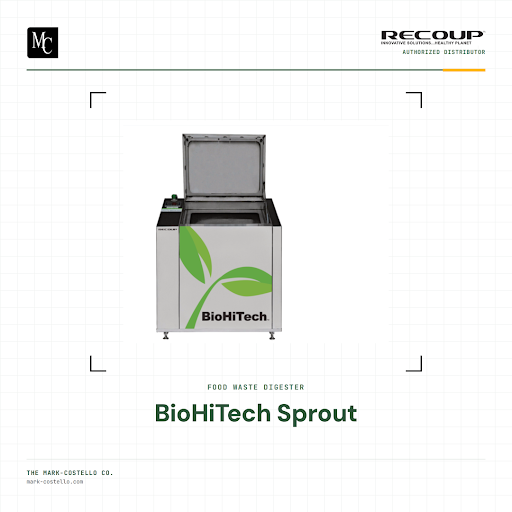
An on-site food waste digester gives businesses a way to handle food scraps where they start. Units such as the Eco-Safe Digester use a blend of microorganisms, water, and gentle agitation to break food waste down into liquid. Staff load food scraps through a hatch throughout the day, and the system converts the material over roughly 24 hours. The resulting liquid drains into the facility’s wastewater system.
Processing Waste at the Point of Generation
Because a digester processes food scraps on site, far less organic material sits in bins waiting for collection. That can reduce the volume of food waste a business sends out through its hauler, shrink the size or number of organic waste containers it needs, and cut pickup frequency. Digesters can process meat, poultry, fish, fruit, vegetables, rice, and many other common kitchen scraps, which covers most of what restaurants, hotels, and cafeterias throw away.
Cleaner and Safer Back of House Areas
Food waste that sits in outdoor bins creates odors, attracts rodents and insects, and leaks liquid onto loading docks. Processing scraps indoors as they’re generated keeps back-of-house areas cleaner and reduces the need to haul heavy, wet bags across the property. Many operators value these day-to-day improvements as much as the cost savings.
Supporting Diversion Goals
SB 1383 exists to keep organic waste out of landfills. A digester diverts food scraps from the trash stream at the source, which aligns with the law’s purpose. For businesses working to improve their diversion performance, reduce contamination in their trash, or document sustainability progress, a digester can become a meaningful part of the strategy. Mark-Costello’s broader food digester overview explains how on-site processing helps businesses manage food waste more efficiently.
What Digesters Don’t Cover on Their Own
A digester can play a valuable role, but it doesn’t satisfy SB 1383 by itself. Businesses need to understand the gaps so they can build a complete plan.
Edible Food Recovery Still Requires Donation
SB 1383 asks Tier 1 and Tier 2 generators to donate surplus edible food before it becomes waste. A digester processes scraps and spoiled food, but it doesn’t replace donation agreements, food recovery partners, or the records that prove a business recovered the maximum amount of edible food. Safe, edible surplus should go to people first, not into any disposal or processing system.
Collection Service and Recordkeeping Still Apply
Most businesses still need to subscribe to organic waste collection service or self-haul, even with a digester on site. Not every organic material belongs in a digester. Food-soiled paper, large bones, yard trimmings, and packaging typically still need another route. Businesses should also keep the records their jurisdiction requires and talk with their local program about whether on-site processing affects their service level or eligibility for any waiver.
Wastewater Rules Vary
Because digesters send liquid into the sewer system, businesses should confirm local wastewater discharge requirements with their sewer authority before installation. Some agencies set limits or require permits for certain commercial discharges, especially from food service operations that already manage fats, oils, and grease. Checking early avoids surprises after the equipment arrives.
One Piece of a Broader Strategy
The most successful businesses treat a digester as one tool among several. It works best alongside food donation, smart purchasing, staff training, proper sorting, and reliable collection service. Viewed this way, a digester strengthens a compliance plan rather than standing in for one.
Building a Practical Compliance Plan
A clear plan helps businesses meet their obligations without overspending. These steps give most operations a solid starting point.
Start with a waste audit. Measure how much food waste, food-soiled paper, cardboard, and trash your business produces, and where it comes from. Mark-Costello’s waste audit program helps facilities understand their waste streams before investing in equipment.
Next, reduce waste at the source. Adjust purchasing, portion sizes, and prep practices to cut avoidable food waste before it happens. Then set up food donation. If your business falls into Tier 1 or Tier 2, establish written agreements with food recovery organizations and track donations as required.
After that, line up collection service. Subscribe to your jurisdiction’s organic waste program or arrange approved self-hauling, and provide labeled containers that make sorting easy. Finally, add on-site equipment where it fits. A digester can handle a large share of your food scraps, while other equipment, such as wet waste self-contained compactors, can help manage remaining waste streams cleanly.
Before installing any equipment, check with your jurisdiction and hauler. Local programs differ, and a short conversation can confirm how your plan fits their requirements.
Finally, train your team and revisit the plan regularly. Sorting mistakes, overflowing bins, and missed donation pickups usually trace back to unclear procedures rather than bad intentions. Short refresher sessions, clear signage, and a named person responsible for organic waste keep the program on track as staff and volumes change.
Conclusion
California SB 1383 compliance requires a combined approach. Businesses need organic waste collection or self-hauling, proper sorting and containers, edible food recovery where it applies, and accurate records. Food waste digesters can play a valuable part in that plan by processing scraps on site, reducing what goes into organic waste bins, and keeping back-of-house areas cleaner.
What digesters can’t do is replace the law’s other requirements. The smartest move for any California business is to confirm local requirements with its jurisdiction, then build a plan that combines the right practices, partners, and equipment.
Work With The Mark-Costello Co.
The Mark-Costello Co. has served California businesses from its Paramount headquarters since 1956, supplying and servicing waste handling equipment for restaurants, hotels, hospitals, schools, grocery stores, and food processors. Its food waste digesters sit alongside a full lineup of compactors, balers, cart dumpers, and size reduction equipment, which means the team can look at your entire waste stream rather than one piece of it. If you’re building an organic waste plan and want to know whether a digester makes sense for your operation, contact The Mark-Costello Co. to talk through your volumes, space, and goals.
Frequently Asked Questions
Does SB 1383 apply to my business?
SB 1383 applies to nearly every business in California that generates organic waste, which includes food scraps, food-soiled paper, and yard trimmings. Most businesses must separate organic waste and either subscribe to organic waste collection or self-haul it to an approved facility. Some businesses face extra requirements as Tier 1 or Tier 2 edible food generators. Your local jurisdiction can confirm which rules apply to your specific operation.
Does a food waste digester make my business SB 1383 compliant?
No. A food waste digester can support your organic waste strategy by processing food scraps on site and reducing what goes into your organic waste bins, but it doesn’t satisfy SB 1383 by itself. You may still need organic waste collection service, proper containers, edible food recovery agreements, and records. Treat a digester as one part of a broader plan, and confirm details with your local jurisdiction.
What are Tier 1 and Tier 2 food generators?
Tier 1 and Tier 2 generators are businesses that SB 1383 requires to donate surplus edible food. Tier 1 generally includes supermarkets, larger grocery stores, food service providers, food distributors, and wholesale food vendors. Tier 2 generally includes larger restaurants, hotels with on-site food facilities and 200 or more rooms, health facilities with 100 or more beds, large venues and events, and certain schools. Both tiers must keep donation records.
Can digester output go into the sewer system?
Food waste digesters convert food scraps into liquid that drains into the facility’s wastewater system, and manufacturers design them for that purpose. However, local sewer authorities set their own discharge rules, and some require permits or pretreatment for commercial kitchens. Before installing a digester, contact your local wastewater agency to confirm that the discharge meets its requirements.
What penalties can businesses face under SB 1383?
Local jurisdictions enforce SB 1383 and can issue notices of violation and financial penalties to businesses that don’t comply with organic waste collection, sorting, or edible food recovery requirements. Penalty amounts and procedures vary by jurisdiction. The best way to avoid penalties is to understand your local program, keep accurate records, and build a complete organic waste plan.

Michael Kelleher is an experienced content strategist at The Mark-Costello Co, with over five years of expertise in creating compelling, data-driven content for diverse industries. His focus on delivering high-quality blog posts and content strategies has helped businesses elevate their online presence and connect with their target audience effectively.